In the 1980s, Japan was on a buying spree, picking up American companies like your mother stocking up on eggs at the supermarket. The US was just emerging from its economic malaise, recovering from a peak inflation rate beyond 13% at the tail end of the Carter era. At first, Japan engaged in some strategic partnerships here and there, mostly in the automotive industry. But then Mitsubishi purchased the famed Rockefeller Building in NYC, the namesake edifice of one of America’s richest families. When Sony ponied up nearly $5 billion for Columbia Pictures in 1989, media outlets finally warned that “Japan is buying America.”
Despite being on the losing end of a major war in the middle of the twentieth century, Japan quickly rose to economic prominence, claiming the #2 spot worldwide in 1968, just over two decades after its defeat. By the end of the 1980s, everyone assumed that the island nation would soon eclipse the US. Forbes magazine listed Seibu chairman Tsutumi Yoshiaki as the richest person on earth, a title he held for years until being bested by fellow Japanese developer Mori Taikichiro.
Then the bubble famously burst. The country that had been paying for it all suddenly wondered how it was going to pay for it all. Towns that had been competing to become the most lavish playgrounds for new wealth started shopping around for bailouts. Japan had boasted a quarter of all billionaires in 1987. These days, it doesn’t even rank in top ten lists by nation.
Putting a Number on Rich in Japan
When billionaires become millionaires, what does that mean for us ordinaries? How does one define “rich” in Japan today? One popular metric is “The One Percent,” code-speak for all that is supposedly ill with the world. This phrase conjures up images of hedge fund fat cats and Silicon Valley elites. And while Japan still has its share of individuals who float in that rarefied overpriced air, it turns out that you can be counted among Japan’s One Percent for a relative pittance, at least when viewed from the towers of worldwide economic largess.
To slip into this top-tier list in the United States, you need to pad your bank account to the tune of $748,000 per annum. And let’s be honest: If you are making just $750,000 per year in Manhattan or Menlo Park, you are essentially a charity case, just one paycheck away from having to share a private jet. But from the perspective of the other 99%, it’s not bad, especially since most of them will never even come close.
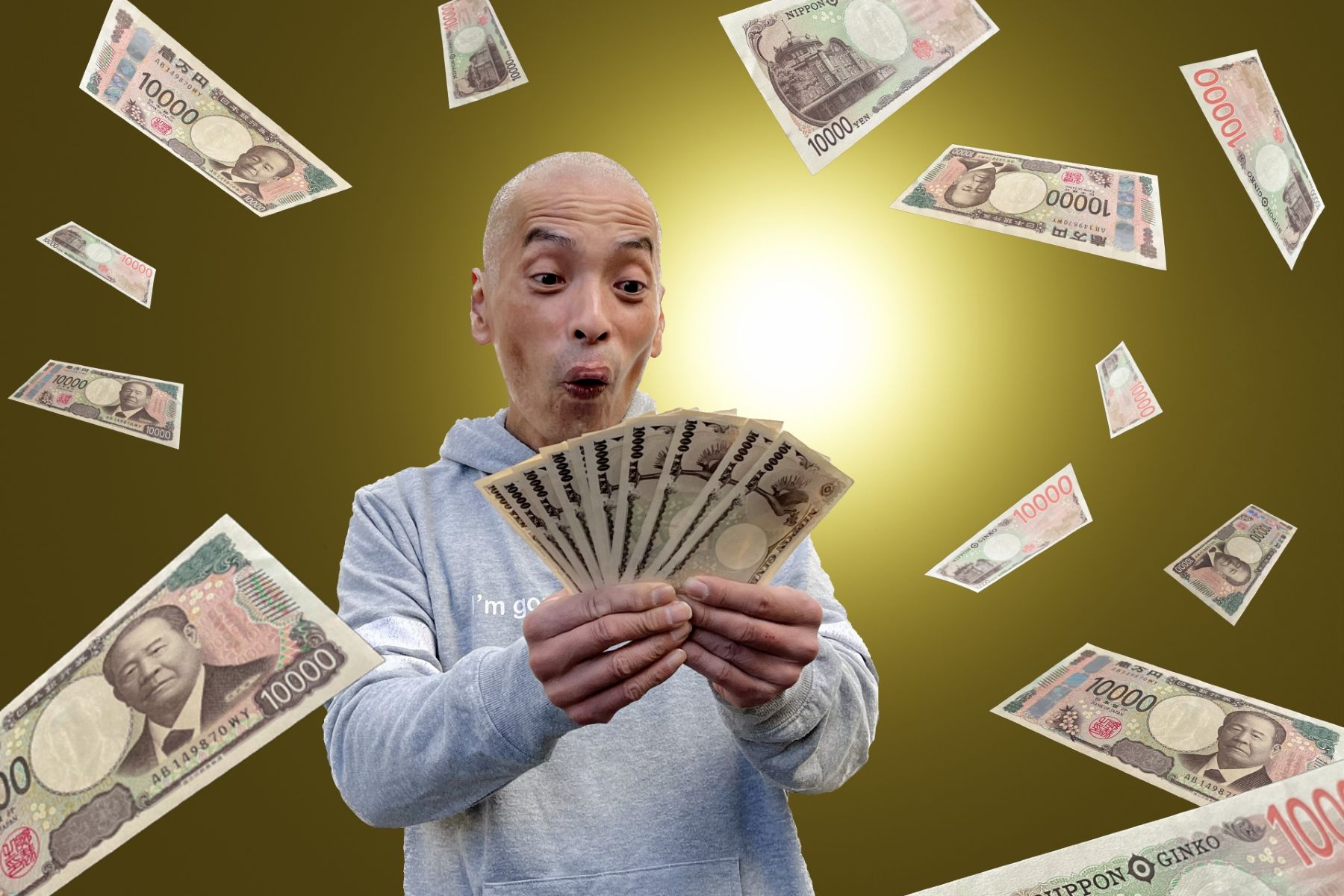
But they might have a shot at the Japanese equivalent. Using numbers available near the end of 2026, it takes just ¥42,900,000 in pre-tax annual income to enter The One Percent domestically. With the current exchange rate running just shy of ¥160 yen per dollar, that comes in at around $270,000 per year. It’s nothing to sneeze at, but as it is almost one-third of the US threshold, it feels like a bargain.
The gap between a middling income and the entryway into The One Percent doesn’t vary that much between the US (about 9x the median income) and Japan (about 12x), so within each country’s borders you might not notice a difference. But for those who move between the two locales, the variance can be significant. A US-based twentysomething pondering their decades-long career prospects might look negatively at Japan’s income numbers. Likewise, for someone in Japan with excellent business prospects, why wouldn’t they take a chance on the American Dream?
It’s Not About the Money
Something these numbers don’t report is how income translates into affordability. According to one estimate I found, “the cost of living in Japan is about 29.9% lower than in the US, and rent is around 62.9% lower on average.” Incomes may be meager here in Japan compared with the financially obese United States, but you can do so much more with the money you have left over.
Not that it’s all about money either. There’s also the livability factor. Japan is famously awesome, with a rich culture and a spirit of conscientiousness that can’t be purchased outright. The country also ranks high for safety and consistency. For those—myself included—who place a value on stability, the chance to live in a clean, well-ordered nation takes priority over a pile of money. Who needs to be in The One Percent anyway?
Image Credits: marubouzu/photo-ac