


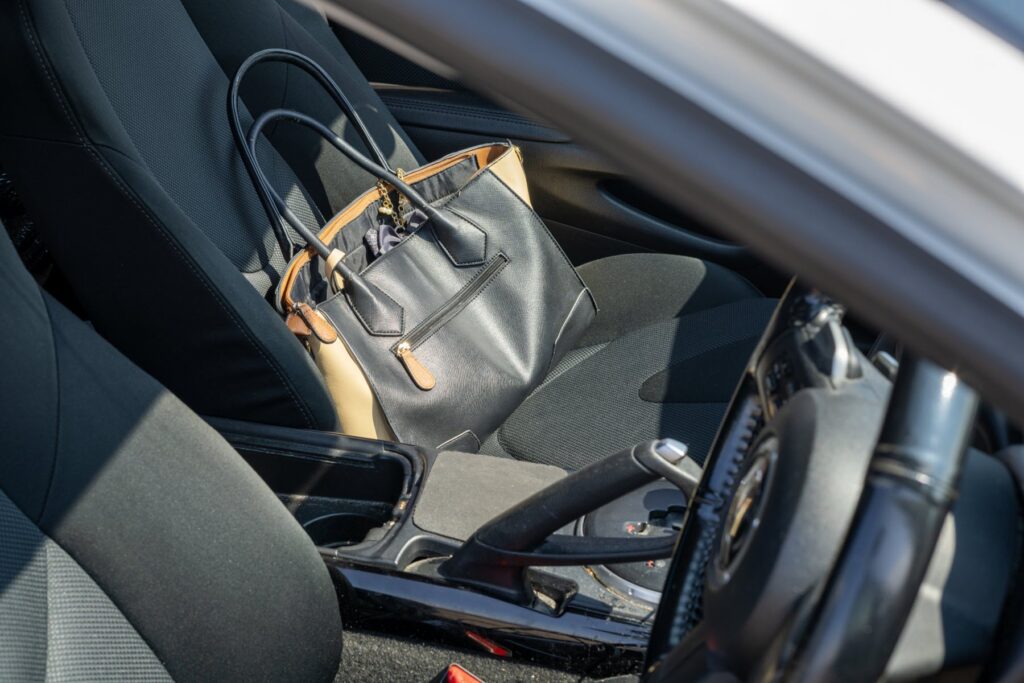
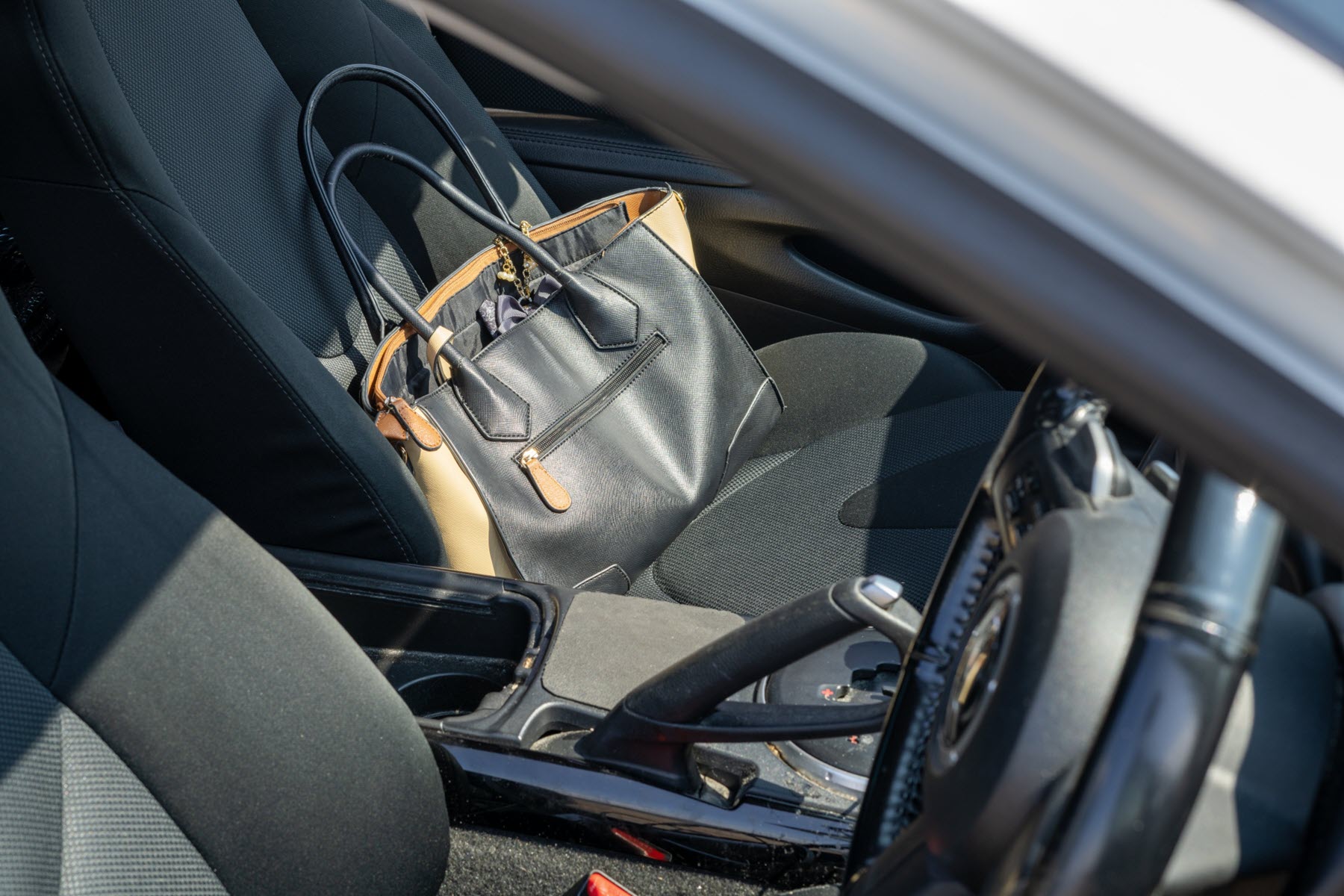
Japan is famously known as one of the safest countries on earth. Nobody gives a second thought to walking alone early in the morning or late at night, whether man, woman, or youngster. I read about an experiment a few years ago about where someone would “accidentally” drop their wallet and walk away. In every case, it was returned immediately, with some locals chasing down the owner. In general, people here trust each other—or at least, other Japanese—because they just don’t see the kind of criminal behavior that would lead them to doubt others.
This trust plays out in many areas of life. I am writing this article from a hotel in Kyoto where I have come to visit for a few days. Back when I was a tourist from America, all hotels would take a photocopy of my passport, collect some basic information about me, and get a copy of my credit card. Now that I am a resident, I don’t need to do any of that. In fact, at the last two hotels I stayed in, they didn’t even ask to see my ID. They just accepted that I was who I said I was. They trusted me.
But should they? I ask this because of a book I just started reading called 「世界のニュースを日本人は何も知らない」 (“Japanese Don’t Know Anything About World News”), by Tanimoto Mayumi. So far, I have just read the introduction, but already Ms. Tanimoto is shockingly harsh on her home country of Japan. She claims that the local population is unaware of key world events that the rest of the world knows all about. And part of the reason is that Japanese citizens are naturally trusting. The actual word she uses, 騙されやすい (damasare-yasui, “gullible”), leaves no doubt as to her opinion.
She lists several examples of Japanese norms that produce this level of passive trust. The first is a secure job environment that has little need for entrepreneurial thinking or development of professional skills beyond company-sponsored training. A second source is an educational system that values rote memorization over critical thinking and personal opinions. A third factor is the variety of government social programs—primarily healthcare and retirement benefits—that meet the basic needs of the vast majority of residents. Basically, if things are going so well here, there’s no need to worry about trouble elsewhere.
This image of Japan is vastly different from the typical American opinion about the country. Those in the United States have long looked on Japan with jealousy, with its highly educated students outscoring American kids in key subjects, its efficient businesses that produce products and services the world craves, and its successful healthcare system that lacks the emotional trauma of the US equivalent.
As a newly arrived immigrant, I have doubts about Ms. Tanimoto’s thesis—perhaps I’m just not that trusting. I know firsthand that the typical American does not stay abreast of the ins and outs of world events, at least to the extent portrayed in her introduction. I also expect that the level of trust found in the Japanese population predates modern social programs or guaranteed lifetime employment. But I still have six chapters to read, so I will withhold judgment until the end.
The Japanese government does remind its populace regularly not to be overly trusting. Each week, a portion of NHK’s news broadcast is dedicated to uncovering the schemes of conmen and tricksters, especially those who target the elderly. There are some people in this world whom you should never trust; unfortunately, some of them live in Japan.
Even if the thesis of the book is correct, is the dismantling of a trust-based society a necessary step to increase news literacy? I hope not. When I ponder world events—the war in Ukraine, the strife of the current US political environment, the never-ending turmoil in the Middle East—it strikes me that an atmosphere of distrust is at the heart of so many reports of bad news. By comparison, life here in Japan is calm, in part because people trust each other.
Image Credits: Haru Photography / photo-ac


