


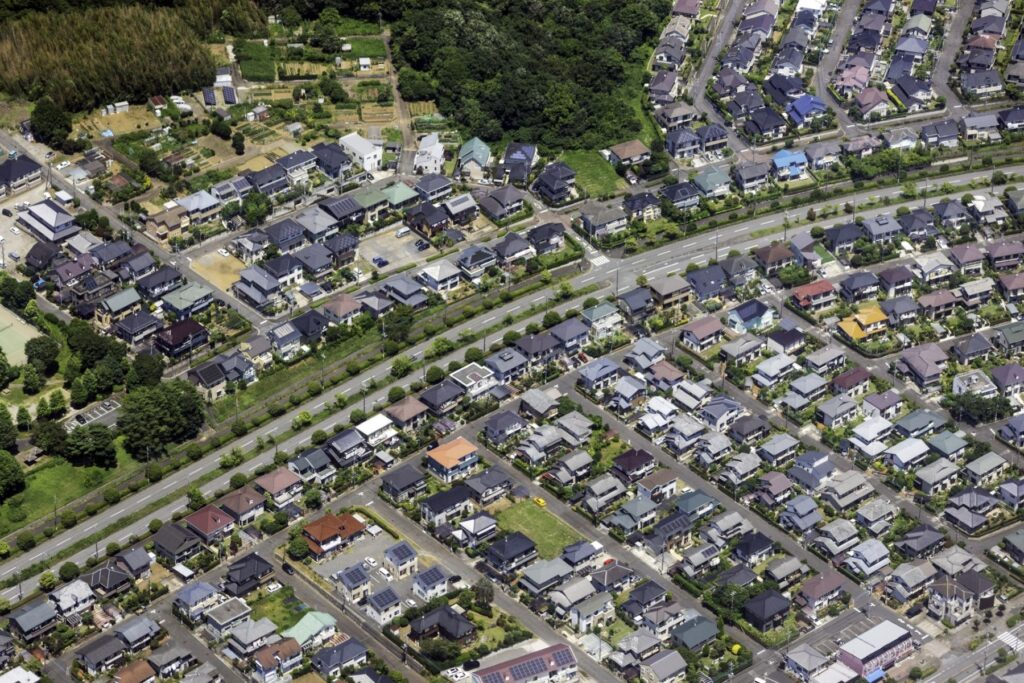
Japan just released its census figures for 2025. As expected, the population is dropping like a rock, with last year’s effort marking the third census showing an official downward trend. The national head count (including foreign residents) stood at 123,049,524, a decline of 3,096,575 since the last full census in 2020. That 2.45% decrease impacted nearly every prefecture. Even in Tokyo, where the population managed to go up by almost 200,000 residents, that 1.41% rise was several percentage points slower than earlier tallies.
One thing that did go up was the number of households, rising on average 2.3% across the country, to around 57 million dwellings. This upward movement appeared in 32 of Japan’s 47 prefectures. The total only considers dwellings that currently hold actual people, including communal sites like dorms and prisons; abandoned “akiya” houses are not included. It almost gives one hope to see a rise of nearly 1.3 million residences, despite the significant drop in overall population.
While those numbers seem thrilling, they mask an unfortunate truth about trends in Japanese society: fewer young people are getting married and having children. A household that once contained a newlywed couple thinking about raising at least 2.1 kids now hosts a lonely salaryman, or even a salarywoman, neither one focused on expanding the population.
Even this 2.3% isn’t anything to write home about. Back in the mid-seventies, when rural families had enough progeny to ship a few off to the big city and still keep some at the homestead, the household rate increase was between 5% and 7%. Today, the most aggressive prefecture, Okinawa, is still in that ballpark with a 6.1% rise. But megacities Tokyo and Osaka couldn’t get out of the 4% set.
One part of the household totals I am unsure about is investment properties, usually condominiums purchased by overseas buyers. The government doesn’t track such units, but online pundits peg the Tokyo vacancy rate at between 1.5% and 3.5%. In a city where people are still trying their darndest to find housing, at least some of these units are certainly remaining empty just to keep them pristine for later sale.
From even a cursory glance at census charts, it’s obvious that longtime holdout Tokyo will be losing residents by the time the 2030 count takes place. The Japanese government continues to throw money at the problem without effect. National leaders are also turning against immigration as a solution, not that salvation was ever found there given worldwide population trends. Until Japan’s youngsters are trained to prioritize marriage and childrearing, there won’t be any reason to get excited about above-zero housing numbers.
Image Credits: ヒロポンフォト / Photo-AC


