


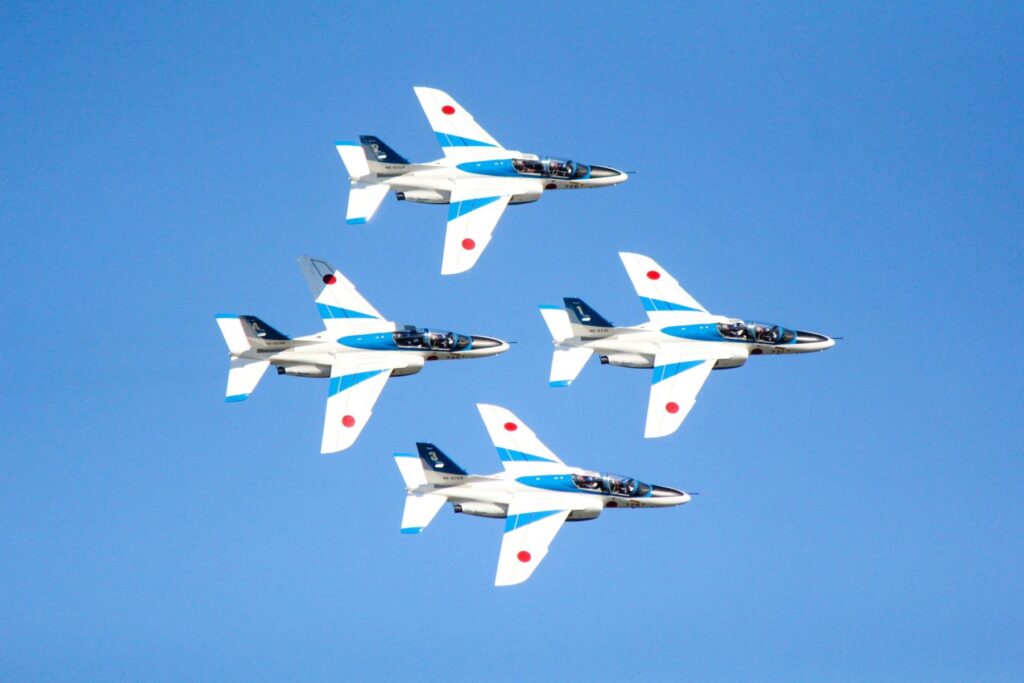
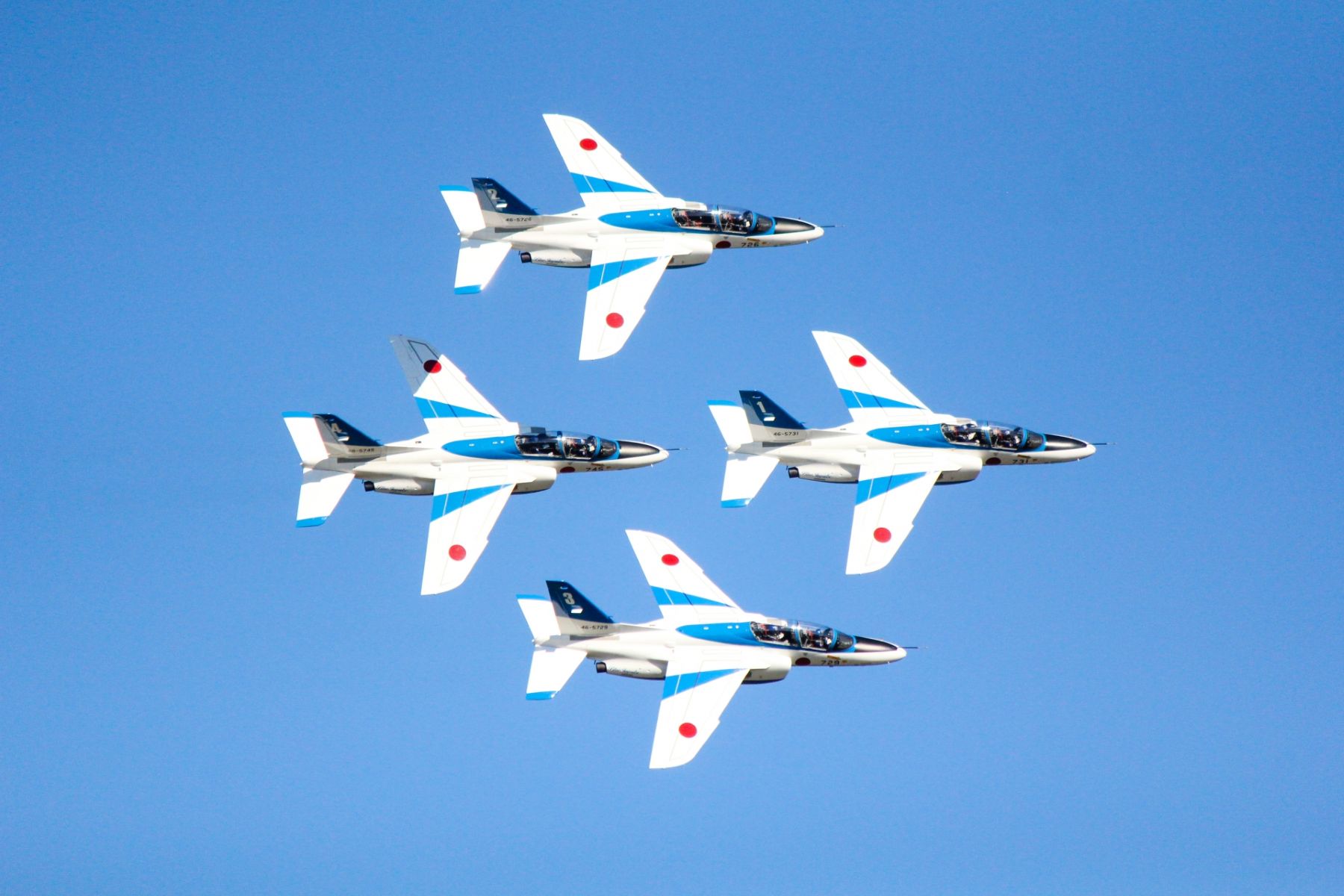
Japan is officially a pacifist, demilitarized nation, declared so by its 1946 post-war constitution. The two clauses in Article 9 stipulate that “the Japanese people forever renounce war as a sovereign right” (the pacifist part), and that “land, sea, and air forces, as well as other war potential, will never be maintained” (the demilitarized part). Despite these mandates, Japan has its Self-Defense Forces (SDF) with 250,000-plus active personnel and a budget that places it in the top ten worldwide.
On paper, Japan has no military. But since the SDF has been around since the 1950s, Prime Minister Takaichi Sanae is discussing ways to amend Article 9 to bring the organization’s legal standing in line with the status quo. And the timing might be just right. According to an opinion poll announced by the Yomiuri Shimbun on the front page of its May 3, 2026, edition, a majority of respondents (60%) would like to see the language for Clause 2 updated. (Full results of the survey can be found here.)
The same can’t be said for updates to Clause 1 and its pacifist ideals. Only 17% supported changes to that part, with a full 80% opposed to touching its language. If you needed more evidence, you could flip over to Page 5 in that same Sunday paper, where one organization took out a full-page ad commanding (!) the Japanese people to “Protect the Constitution!” (憲法を守れ!), complete with an exclamation point.
Still, when it comes to a standing military, the populace seems content. According to a government survey back in January, almost 94% had a good impression of the SDF, including around 35% who referenced Japan’s peace and security as a key reason for that support. It also helps that the SDF swings into action after major natural disasters.
Despite this popularity, the Takaichi Administration might not have the political capital to bring this change about. Many politicians prefer a policy of Strategic Ambiguity, where Japan has a military presence, but not a military. Such equivocation isn’t unusual when it comes to soldiers. Even my own home country of the United States goes out of its way to avoid war—the term, that is. The power to declare war in America rests solely with its Congress, something it hasn’t done since World War II. But that hasn’t stopped presidents from overseeing martial engagements against quite a number of nations, including Iran earlier this year. Just don’t call it war.
As for Japan’s Self-Defense Forces, until more political leaders get comfortable with calling its military a military, the citizenry will need to be content with using such labels through opinion polls.
Image Credits: おくやまさき/Photo-AC


