



Japan has started releasing the results of its October 2025 census, and of course the trends don’t look good. I could trot out some nine-digit numbers here, but it’s quicker to sum it all up in one word: Yikes!
Government officials have made various attempts to lift the national fertility rate, currently at around 1.2 babies per mommy. Their grand plans usually involve throwing more money at the problem. This won’t work—this never works—because population decline isn’t about money. It’s about communicating priorities.
The grim fact is that, here in 2026, childbearing is not all that important to the youth of Japan (and all other modernized nations). That wasn’t the case a century ago, when Japanese families were churning out more than five children on average. Back then, all you had to do was teach them about the Birds and the Bees, hand them a marriage license, and off they went. It worked because having kids was at the top of everyone’s list.
Today, giving birth is probably in eighth or ninth place, if that. And that’s only after you have convinced two people to fall in love and get married. That’s a tough call, what with technology and entertainment and news of peril and disaster filling every waking moment.
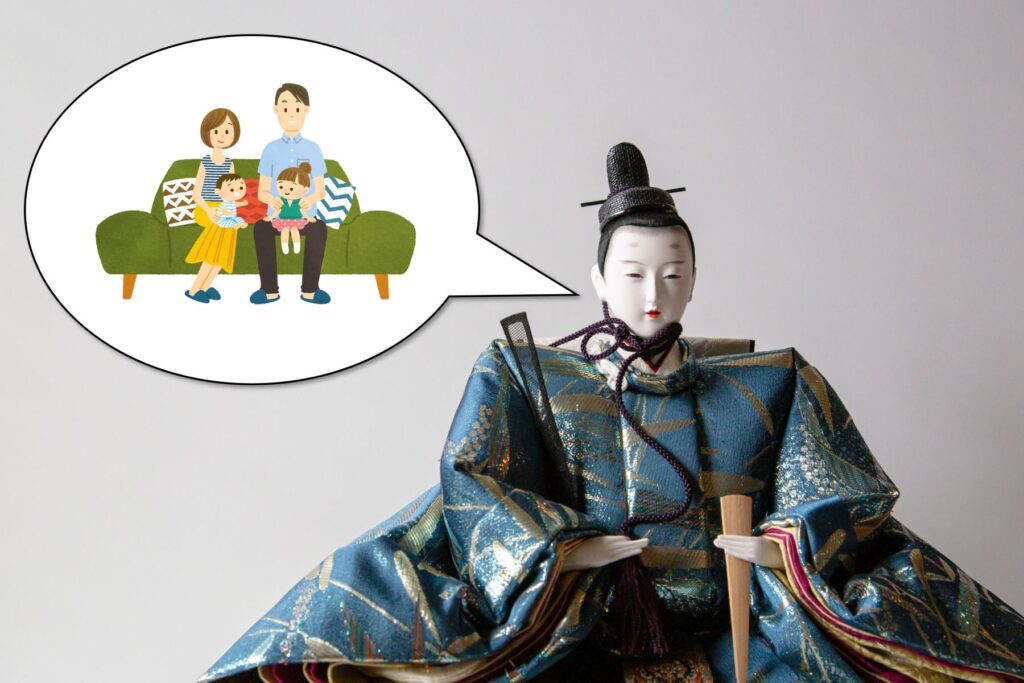
If Japan is serious about turning its fertility numbers around, it needs to stop trying to bribe young couples with handouts. Instead, it must instill in them a desire to become husbands and wives, mothers and fathers. This can only happen through a dedicated education effort involving all sectors of society, including public schools, businesses, and government agencies. Someone needs to be the voice that calls all parties to start this decades-long race. That voice belongs to the emperor.
By constitutional mandate, Japan’s emperor is “the symbol of the State and of the unity of the People.” While his governmental role is restricted to a limited set of mostly ceremonial duties, his unifying symbolic presence reaches every corner of this island nation. The daily schedule of the Imperial Household is already packed with speeches, gatherings, and regional visits designed to support Japan and its sovereign people during times of need. The hollowing out of the population through senility and childlessness is the very definition of a great need.
The message itself is simple: Get married; have children; do it for Japan.
Some might argue that this is a job for the government and its elected officials. I would love for that to happen, and members of the Diet still bear the legal duty to determine the structure and expectations for any population plan. But as is often the case in modern states, politicians play a short game, in part due to the constant concern for elections and the risk of losing power. Even when leaders do implement vital legislation, it could be decades before the impacts are fully realized, long after those who wrote the laws have left office.
The throne, by contrast, represents centuries of continuity. The current occupant does not need to worry about being tossed out in the next round of balloting. This allows him to address issues that span generations. Even if he is not around to see the fruits of any specific plan, he has spent years raising his successor from infancy, training his offspring to understand the reasons why a stable population is essential to this or any nation.
Not everyone will be comfortable with the emperor communicating with such boldness, and it might even require the approval of the Cabinet (according to Article 3 of the Constitution). I’m open to alternatives. But given the competing voices of this digital world pushing young people ever farther from parenthood, someone needs to declare a straightforward, urgent, compelling, and above all unifying messaging about Japan’s future.
Japanese citizens in general respect the emperor, especially when he acts in clear support of the nation. In his constitutional role, the emperor has the unique ability to say out loud what everyone already knows is true: dealing with population decline must be a top concern. Thanks to Japan’s hierarchical social structures, its centralized administrative agencies, and a history of respect for elders, a message of encouragement from the Chrysanthemum Throne could be the very thing that unites the nation in the essential task of building strong families.
Image Credits: コールド/photo-ac, Bonko/ac-illust.com


